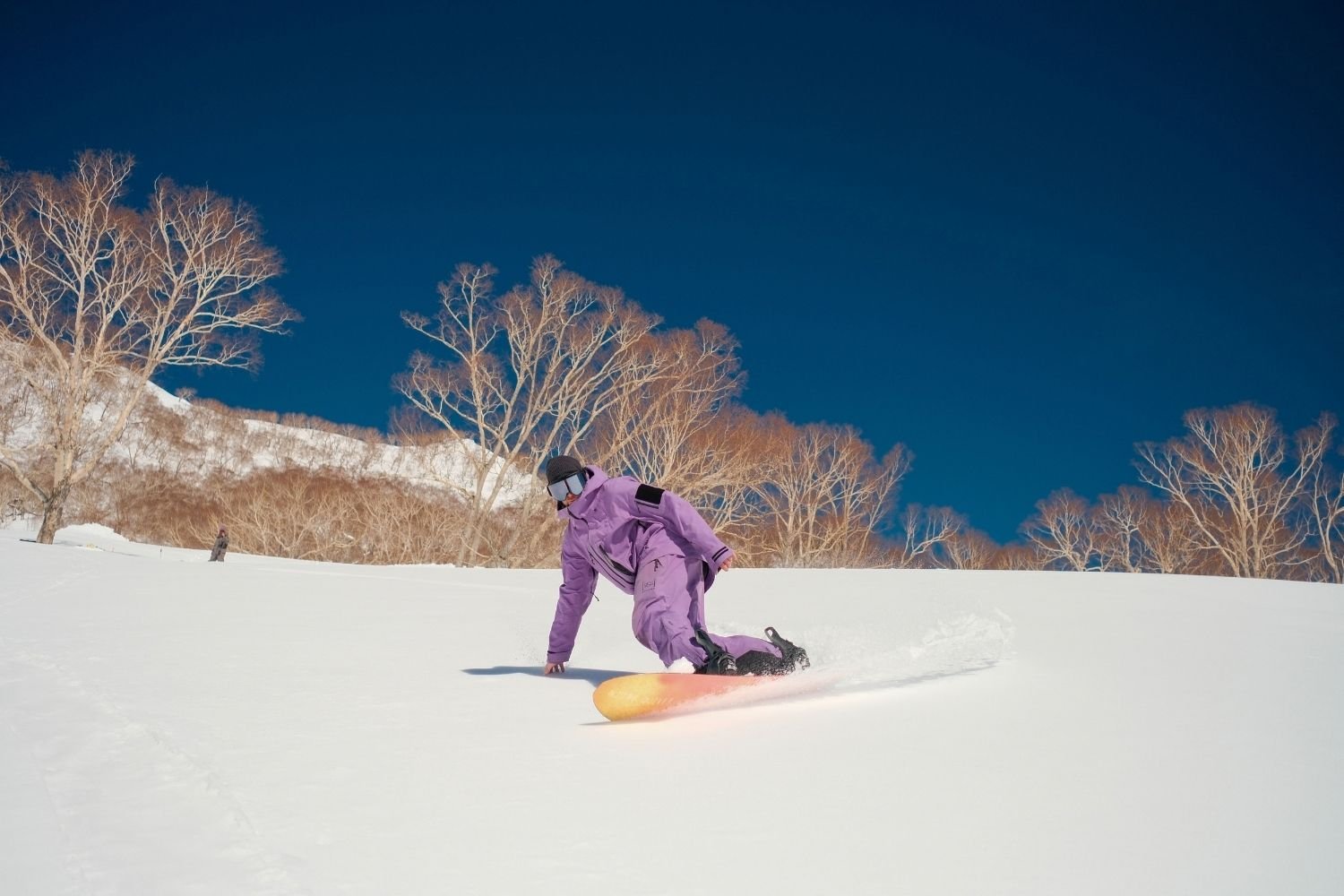
The Snow Creatures Guide to Skiing Japan in an El Niño Winter
Japan’s official winter forecast leans warm and light on snow. Seven decades of records say Hokkaido in January and February is still one of the safest bets in skiing.




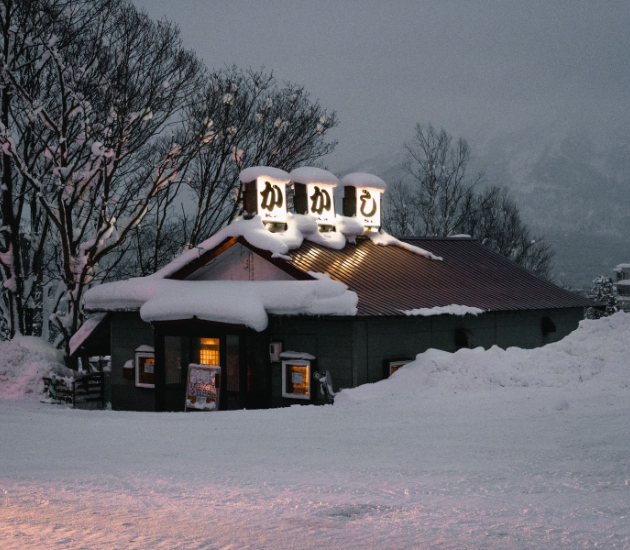
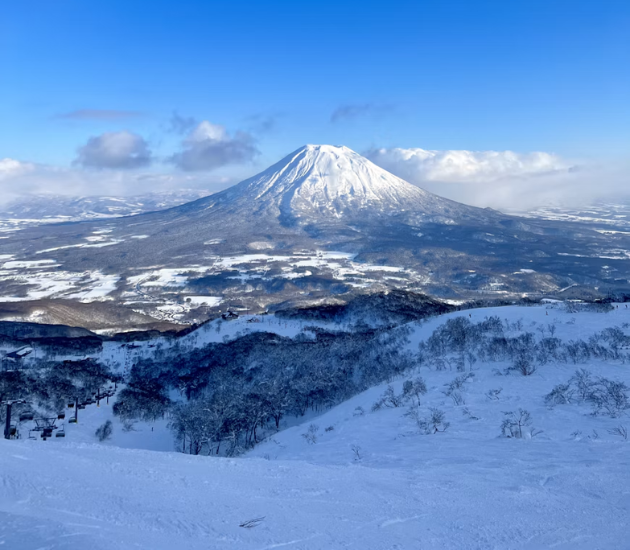
Niseko United is one mountain with four resorts on it, Grand Hirafu, Hanazono, Niseko Village and Annupuri, linked by lifts near the top and by a shuttle bus around the base. One All Mountain pass covers all four plus the shuttle. The catch is wind. When it picks up, the old upper lifts close first, and the mountain effectively splits in two, with Hirafu and Hanazono on one side and Village and Annupuri on the other, so on a stormy day the shuttle is how you change sides.
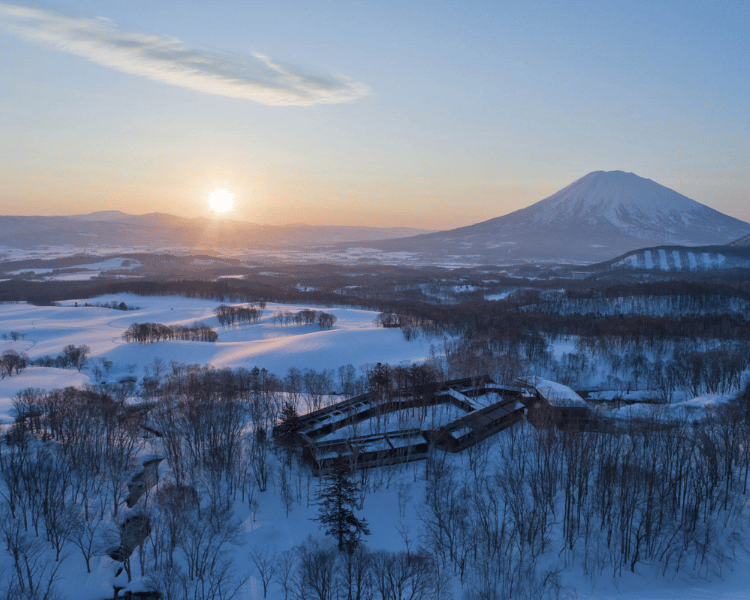
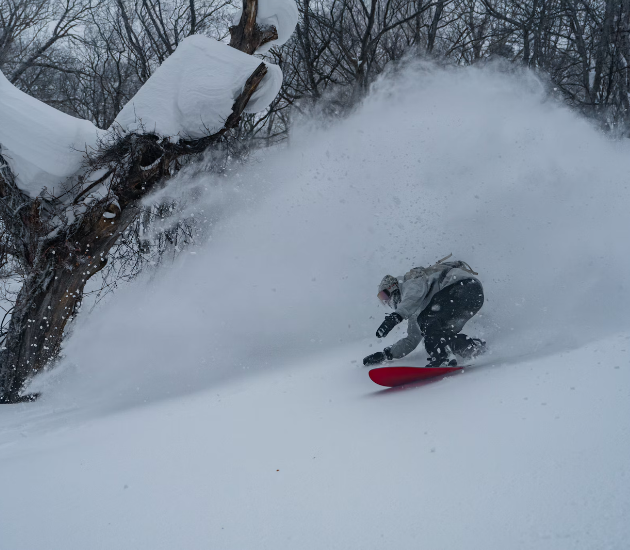
The snow is the reason any of this exists. Cold winter winds off the Asian mainland pick up moisture over the Sea of Japan and drop it on the Niseko range as light, dry powder, and it keeps coming, about 15 m in an average season. Most of it falls between December and March, and some winters get a lot more than others.
The off-piste works differently to most places. Under the Niseko Rules, you can leave the resort only through marked gates, never by ducking a rope, and you’re expected to wear a helmet and carry an avalanche beacon when you do. The gates close when conditions are bad. You can find Niseko’s daily avalanche report here and the full trail map here.
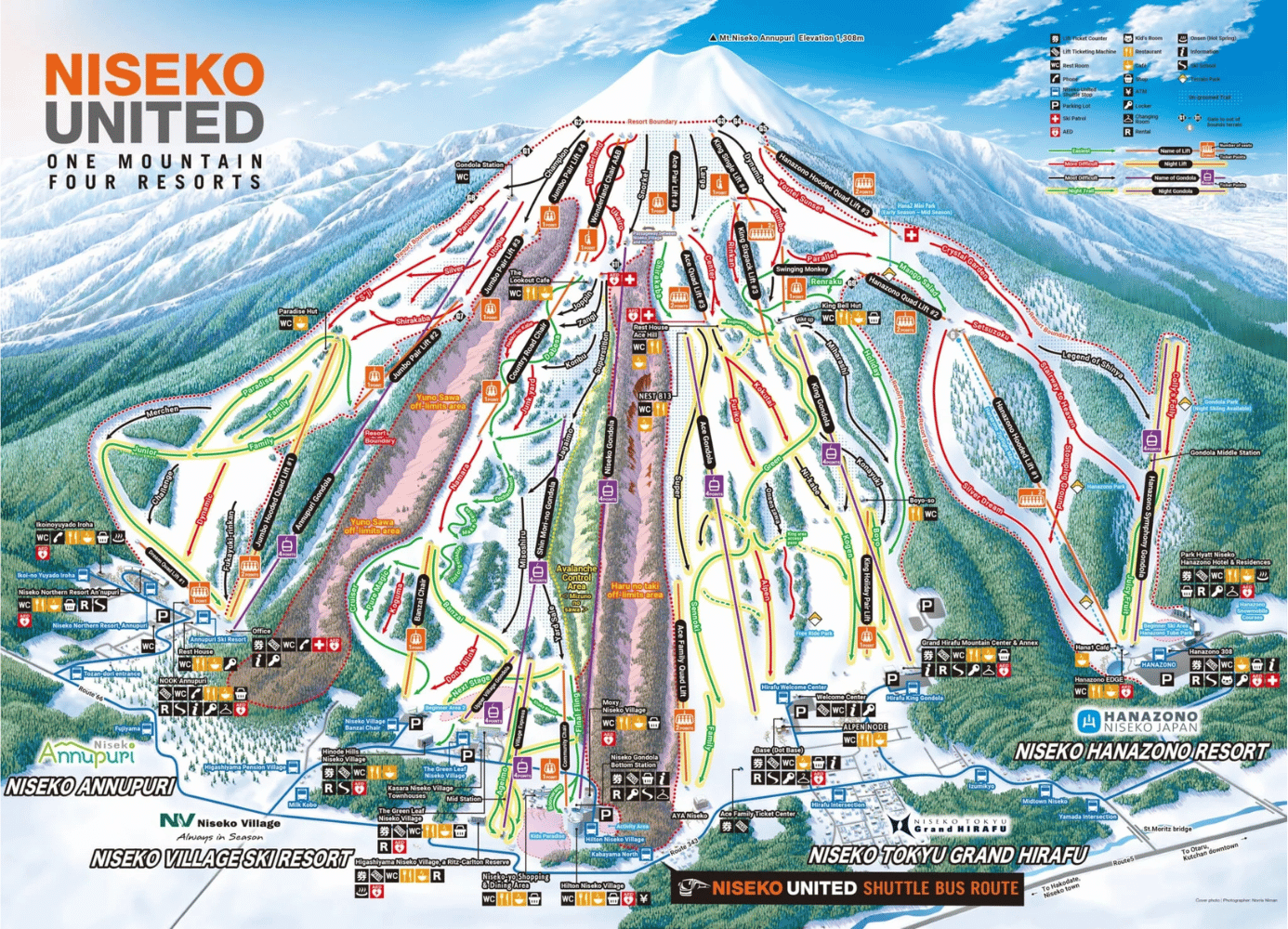
Grand Hirafu
The biggest and busiest of the four, and the one most people mean when they say Niseko. Hirafu runs two gondolas and seven chairs across 22 trails, with 940 m of vertical and a longest run of 5.3 km. The 10-person Ace Gondola has heated seats and wifi, which sounds like a gimmick until it’s minus ten and snowing sideways. The King #3 chair is a six-seater, and Ace #3 in the middle of the mountain is a quad. Mornings at the base are still the bottleneck. At the top of the Ace Gondola, Ace Hill serves snow crab ramen, which is reason enough to plan a lunch break around it.
Hanazono
Hanazono sits on the northern end of the ridge. The Hanazono 1 chair is a six-seater with heated leather seats, and the 10-person Symphony Gondola has a mid-station that drops beginners onto a gentle run called Juicy Fruit, so first-timers can skip the stress of getting off a chairlift. It has the terrain parks and a good spread of tree runs, and it’s slightly more sheltered than the rest of the mountain, which makes it a sensible call on a windy day. Hanazono also runs cat skiing on the neighbouring Weiss mountain.
Niseko Village
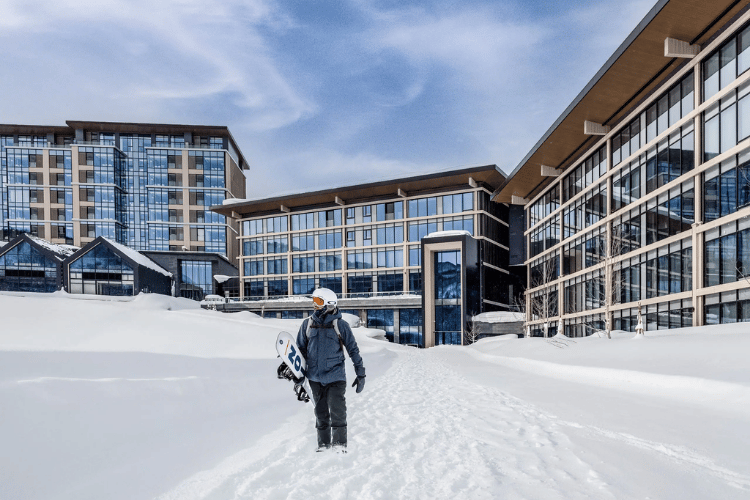
The Village is where the longest runs and some of the best forest skiing on the mountain are, with the Hilton, the Green Leaf and the Higashiyama Ritz-Carlton Reserve clustered at the base. The eight-person Mori-no Gondola runs up from the base, and its cabins include a few VIP cabins with tables for light dining and a couple with glass floors.
Annupuri
Annupuri, on the far western side, tends to be the quieter end of the mountain, with wide groomers, steeper pitches up top and natural onsen at the base area. Its gondola runs from the base area to the upper mountain. Niseko Moiwa, the small resort next door, is not part of Niseko United and needs its own ticket.
The nearest airport is New Chitose (CTS), outside Sapporo. If you can’t fly straight in, a domestic flight from Tokyo takes about an hour and a half.
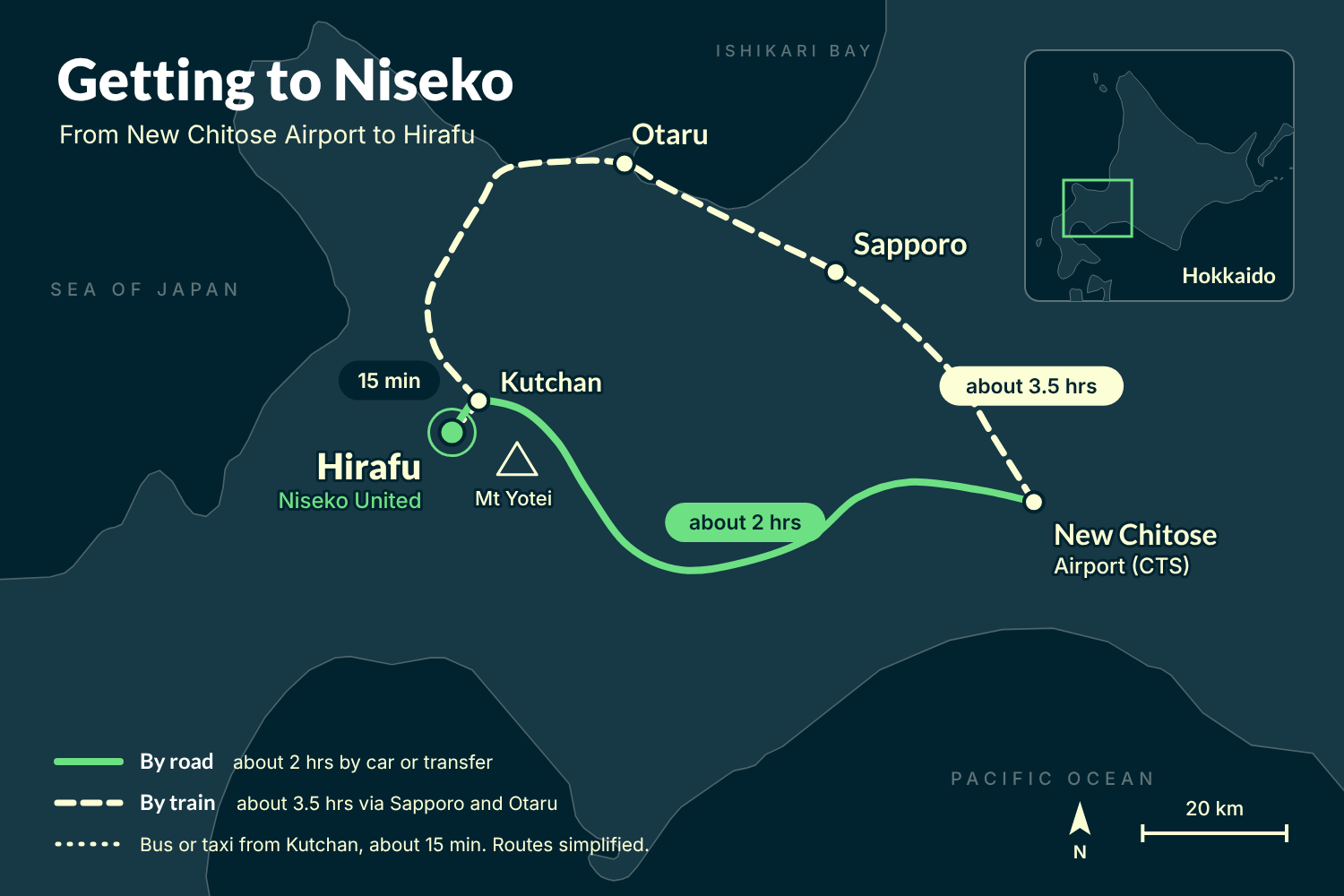
From the airport, Hirafu is about 2 hours 10 minutes by car. Scheduled airport buses take longer, roughly three and a half hours, because they stop at Annupuri and Niseko Village first, and they need booking ahead. The train runs via Sapporo and Otaru to Kutchan Station, then a bus or taxi up to Hirafu, and also takes about three and a half hours. A private transfer is the most direct option for groups.
Once you’re there, you don’t need a car. The Niseko United shuttle links all four resorts and is free with an All Mountain pass, and Hirafu itself is walkable if you don’t mind hills.
Seicomart at the Hirafu crossroads is Hokkaido’s own convenience store chain, and its Hot Chef counter cooks katsudon and fried chicken in-store. In winter it’s packed with resort staff and travellers alike, which tells you most of what you need to know.
Bang Bang has been grilling yakitori in upper Hirafu since 1985, over charcoal, alongside Hokkaido oysters, sea urchin and crab when they’re in season. It was one of the first izakaya at the base of Hirafu, and it still feels like the place the village grew up around. Bookings are online only and need a card to hold them.
Rakuichi is a small soba counter near Annupuri where Tatsuru Rai makes buckwheat noodles by hand in front of you as part of a two-hour soba kaiseki. There are two sittings a day, at noon and 7pm, and seats go months ahead.
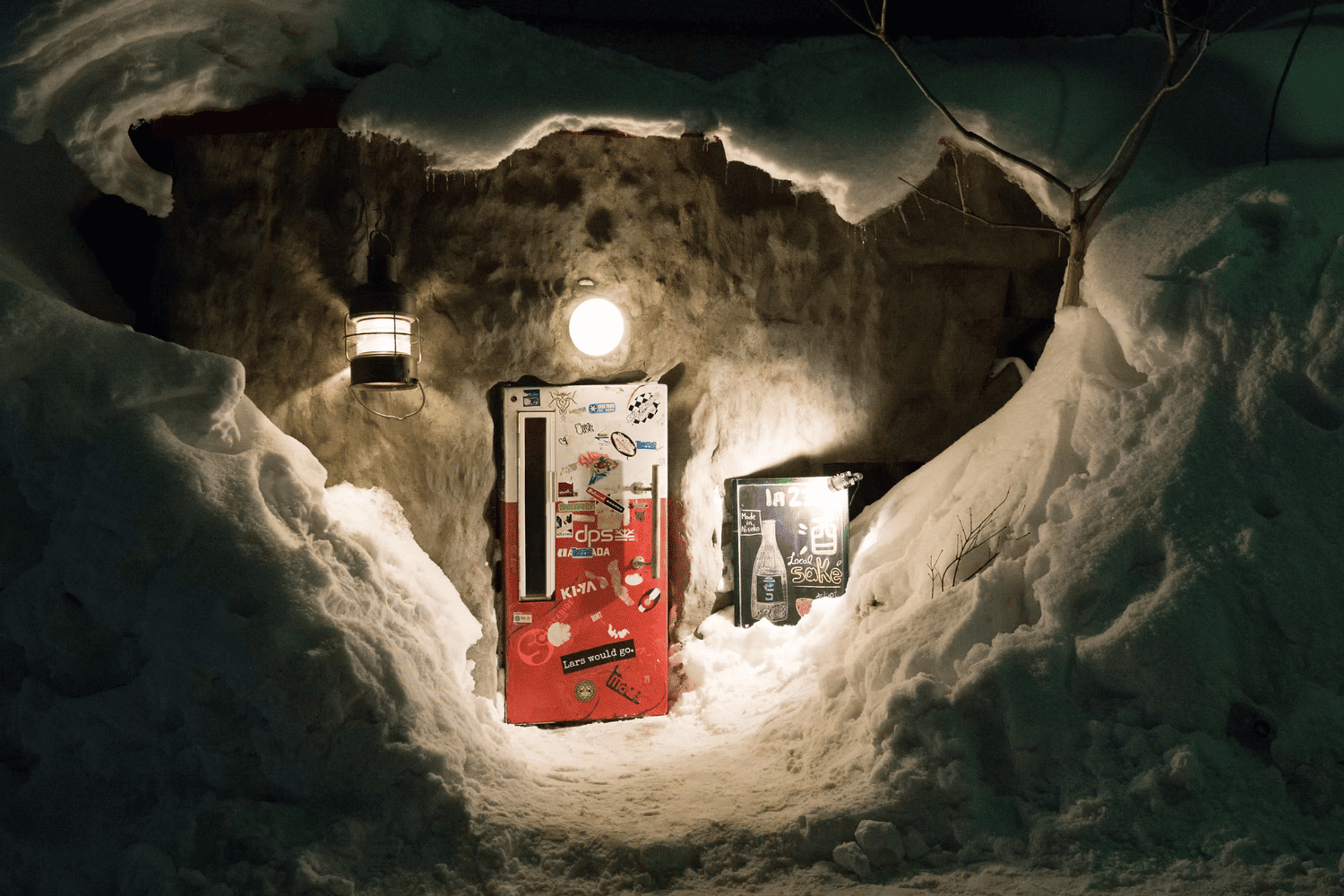
Bar Gyu+ is the one with the door. You walk in through what looks like a vintage Coca-Cola fridge into a warm room built around Japanese whisky and hot cocktails. There’s often a queue outside, and the footpath out front gets icy, but this is a must in Niseko.






Japan’s official winter forecast leans warm and light on snow. Seven decades of records say Hokkaido in January and February is still one of the safest bets in skiing.

Two mountains, two very different trips. Here’s how to actually choose between Niseko and Hakuba for your first Japan ski trip.