The Vibe
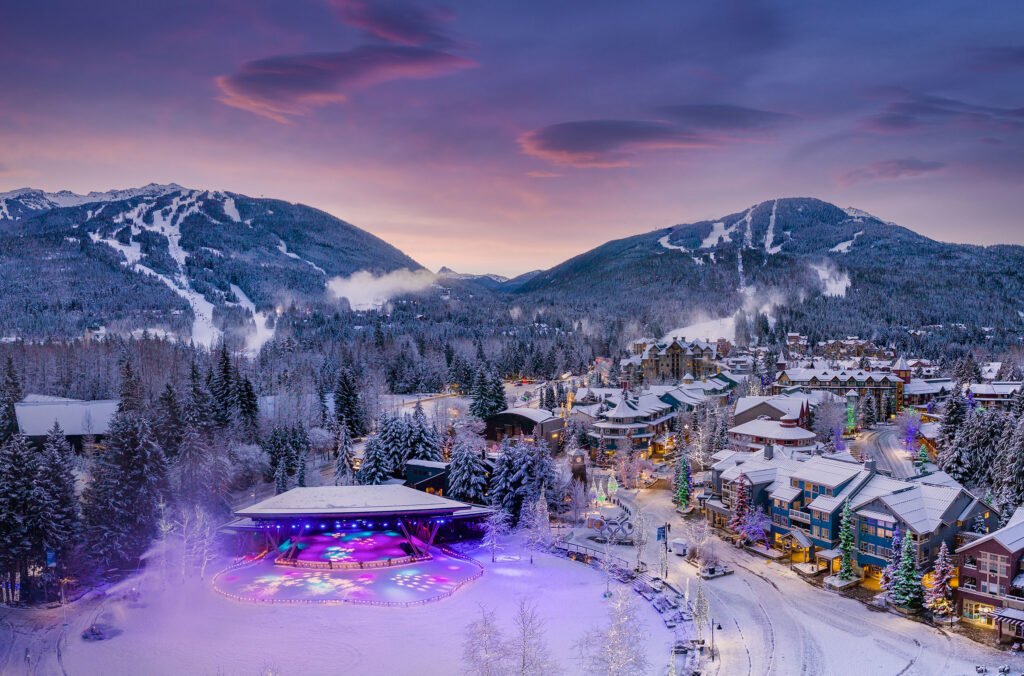
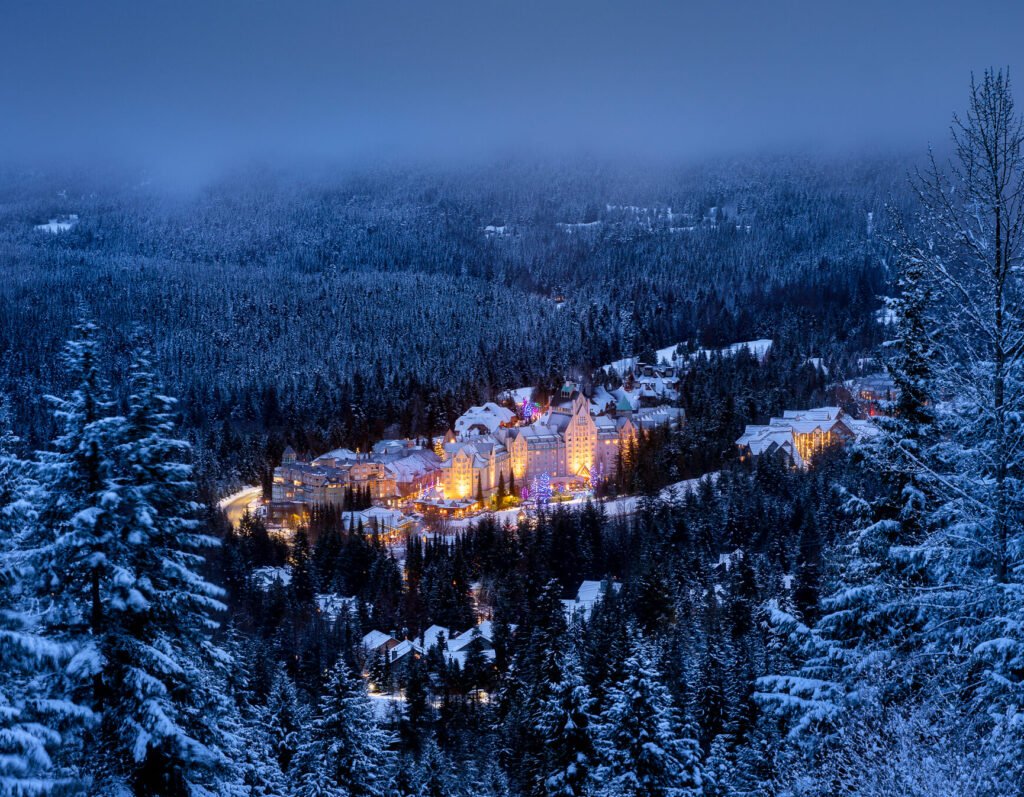
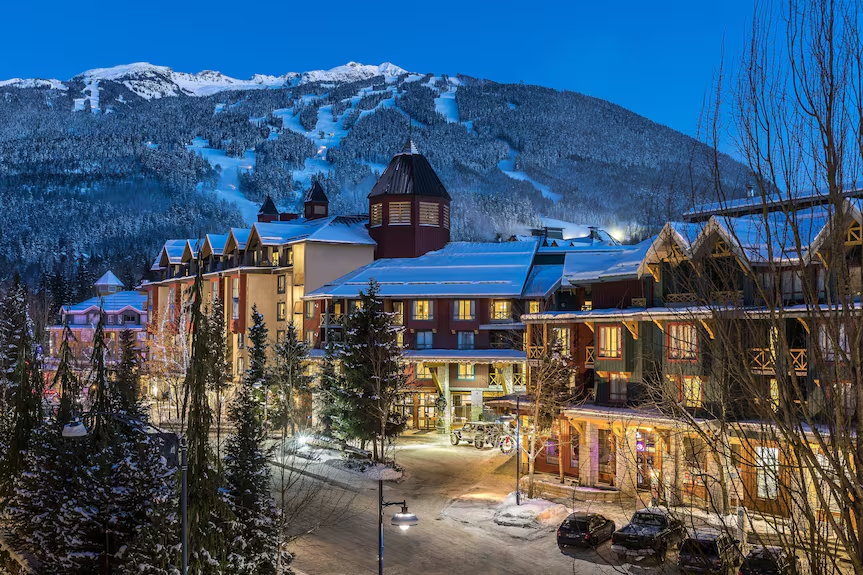
Whistler is the biggest ski resort in North America and somehow still feels like a small town where everyone says hello. The village is pedestrian-only, built around cobblestone laneways that fill with ski boots by day and patio crowds by dusk, and the line between local and visitor blurs fast over a beer at the base of the gondola. It’s polished enough for a five-star crowd and loose enough that nobody blinks if you walk into dinner still in your ski pants.
Resort Breakdown
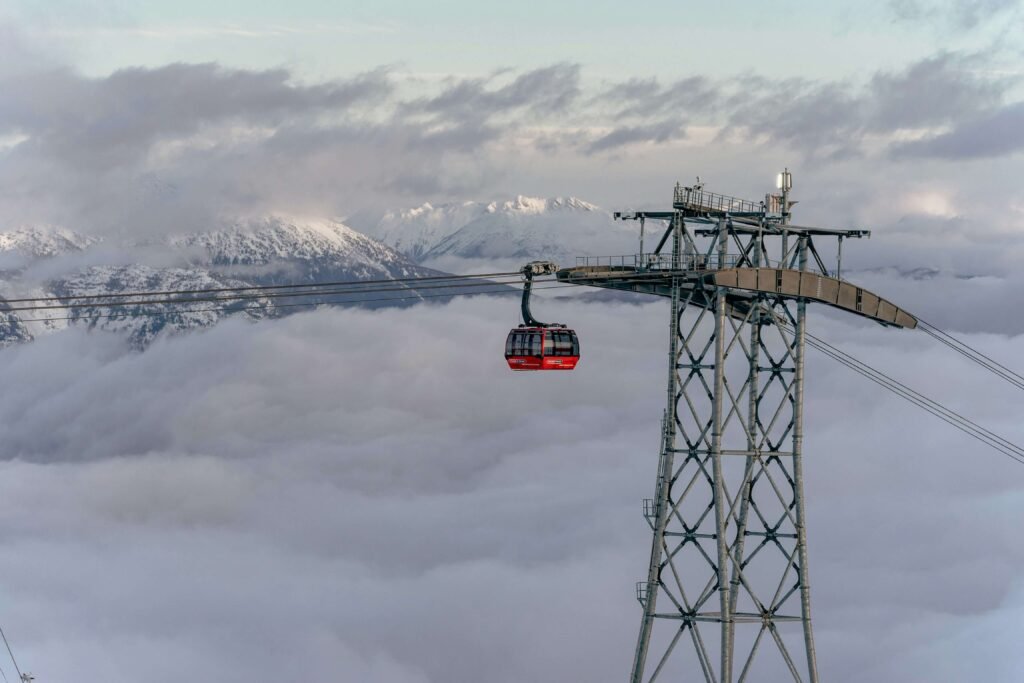
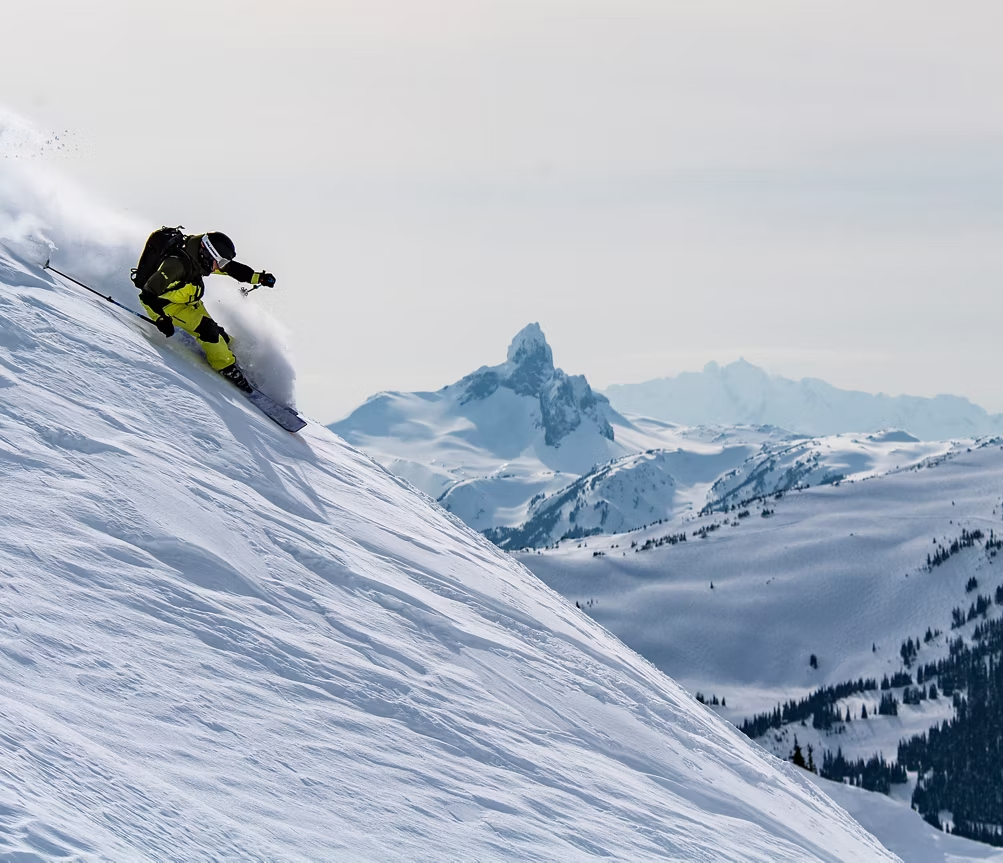
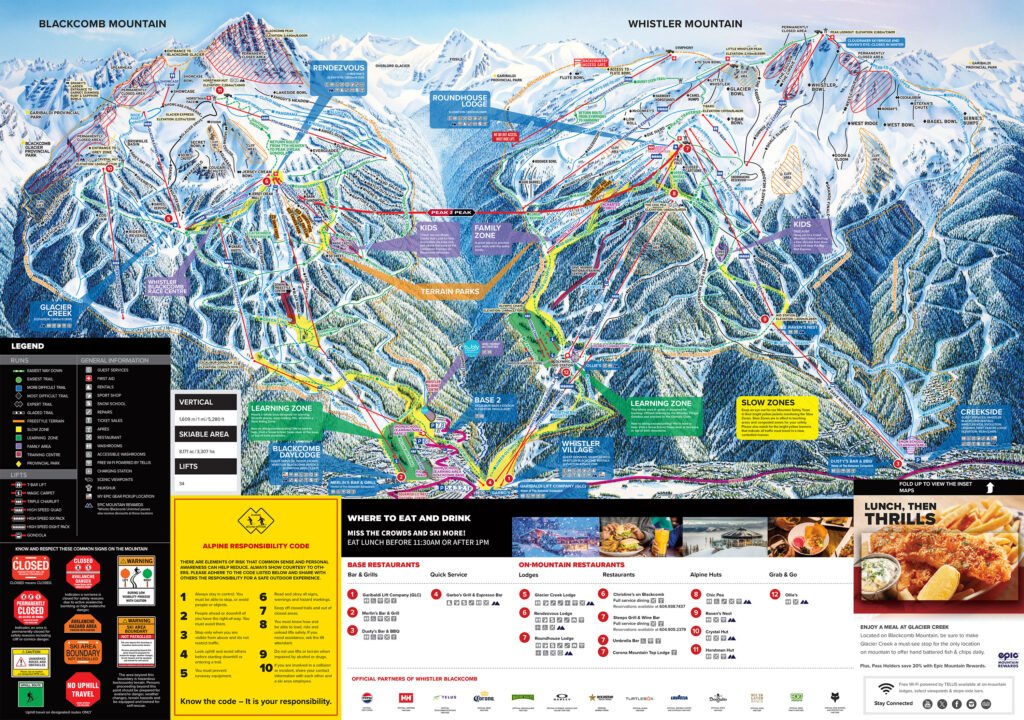
Whistler and Blackcomb are two distinct mountains joined at the base by the village and at the top by the PEAK 2 PEAK, and locals will tell you they ski completely differently. Whistler Mountain is the gentler of the two, with a mid-mountain fall line that suits beginners and intermediates working their way up, plus alpine bowls like Harmony and Symphony for when they’re ready to push further. Blackcomb has less green terrain and a steeper, more deliberate layout, which is why it draws the harder-charging crowd. The Couloir Extreme off Blackcomb Glacier is one of the more serious inbound lines in North America, and Blackcomb’s 7th Heaven zone is the one everyone name-drops for bluebird days.
With 35% of the terrain rated intermediate, this is not a resort where blues feel like an afterthought, though longtime visitors warn that a Whistler blue can ride steeper and bumpier than a blue anywhere else. Beginners get dedicated learning zones at Olympic Station on Whistler and around the Magic Chair on Blackcomb, both away from the main through-traffic. For advanced and expert riders, the alpine bowls (Sapphire, Diamond, Ruby) are about as close to backcountry as you get inbounds, complete with chutes, cliff bands and exposed traverses.
Snow holds well here thanks to the Coast Mountains catching heavy Pacific systems, though the flip side is that the snow itself runs wetter and heavier than what you’d find in the BC Interior. The driest, lightest snow tends to sit above 1,800 m, which is another reason locals chase the alpine on a powder morning rather than lapping the village runs. Whistler Blackcomb runs on the Epic Pass.
Getting There and Around
Vancouver International (YVR) is the main gateway, and the drive up the Sea-to-Sky Highway takes around two hours in good conditions, longer with weekend traffic or snow on the pass. Shuttle and coach transfers run direct from the airport for anyone skipping the rental car, and it’s a genuinely scenic drive if you’re behind the wheel yourself, ocean on one side, mountains on the other, most of the way up. Once you’re in Whistler, the village itself is pedestrian-only and built around the two base gondolas, so a car mostly sits in the lot unless you’re heading out to Squamish or exploring further along the highway.
You can find more information about getting there and parking on the Whistler Blackcomb website.
Top Experiences
Whistler’s reputation isn’t just built on the two mountains. The village and the valley around it carry their own weight, and these are the experiences that separate a standard ski trip here from one worth telling people about. We listed below some of our favourtie experiences in Whistler, which we think are worth checking out.
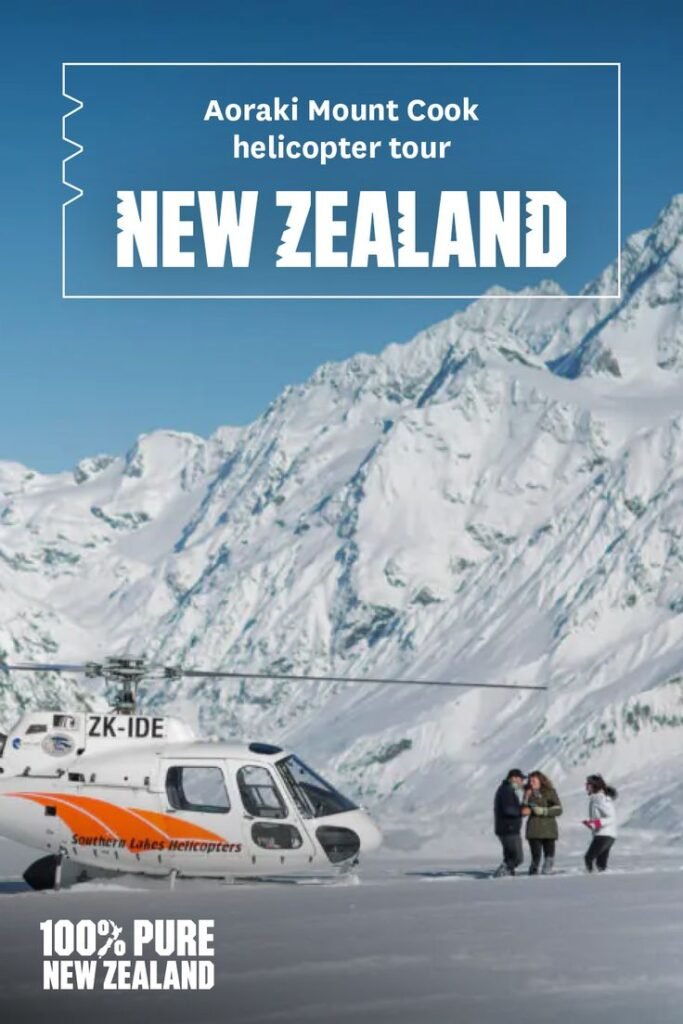
This is the one everyone name-drops for a reason. A helicopter drops you into untracked backcountry powder well beyond anything lift-accessed, terrain most skiers will never otherwise touch. It’s not cheap and it’s not for beginners, but for anyone with the budget and the legs, it’s the closest thing Whistler has to a signature bucket-list day.
A snowcat hauls you up into the quiet alpine after the lifts have wound down, away from the crowds and the noise of the village, for a fondue dinner under open sky. It’s slower and stranger than most on-mountain experiences here, which is exactly the point.
A Nordic-style hot and cold circuit set in forest just outside the village, built around silence rather than luxury branding. Hot pools, cold plunges, saunas, steam, repeat, with phones firmly left in the locker. The correct move after two or three big days on the mountain.
A network of ziplines and suspension bridges strung through old growth forest between Whistler and Blackcomb, built to move people through the trees rather than just past them. Good for a lower-key day, or for anyone travelling with people who aren’t skiing.
Audain Art Museum: the mountain town’s other side
Whistler’s reputation runs on legendary terrain and vertical drop, so the Audain catches most first-time visitors off guard. Tucked into a spruce grove a short walk from the village, it houses one of the best collections of British Columbian art anywhere, work spanning the late 1700s to now, including one of the strongest collections of First Nations masks in the country and the largest public display of Emily Carr’s paintings. It’s the kind of place that resets a ski trip for an afternoon, worth the visit even for people who’d never call themselves museum people.
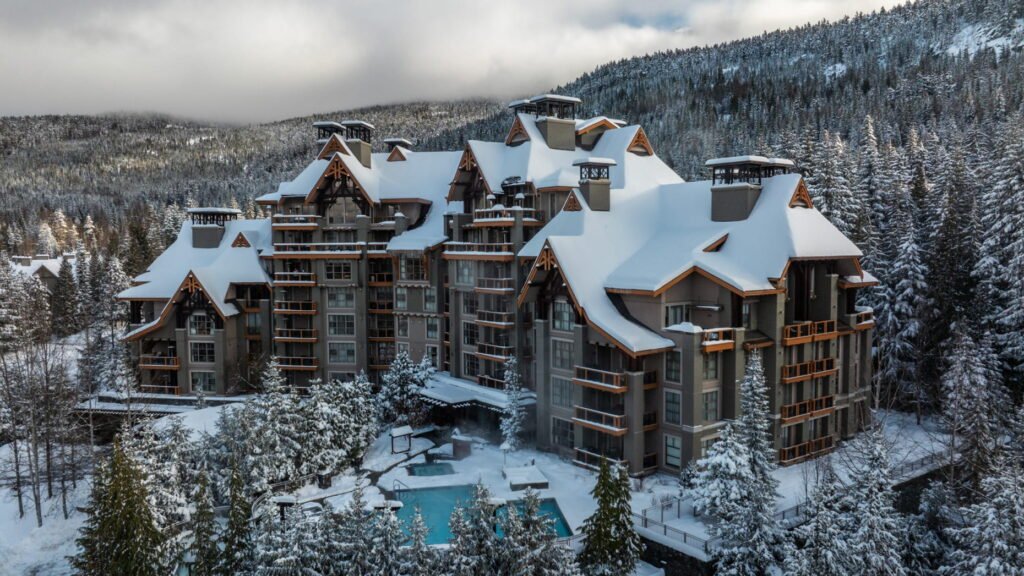
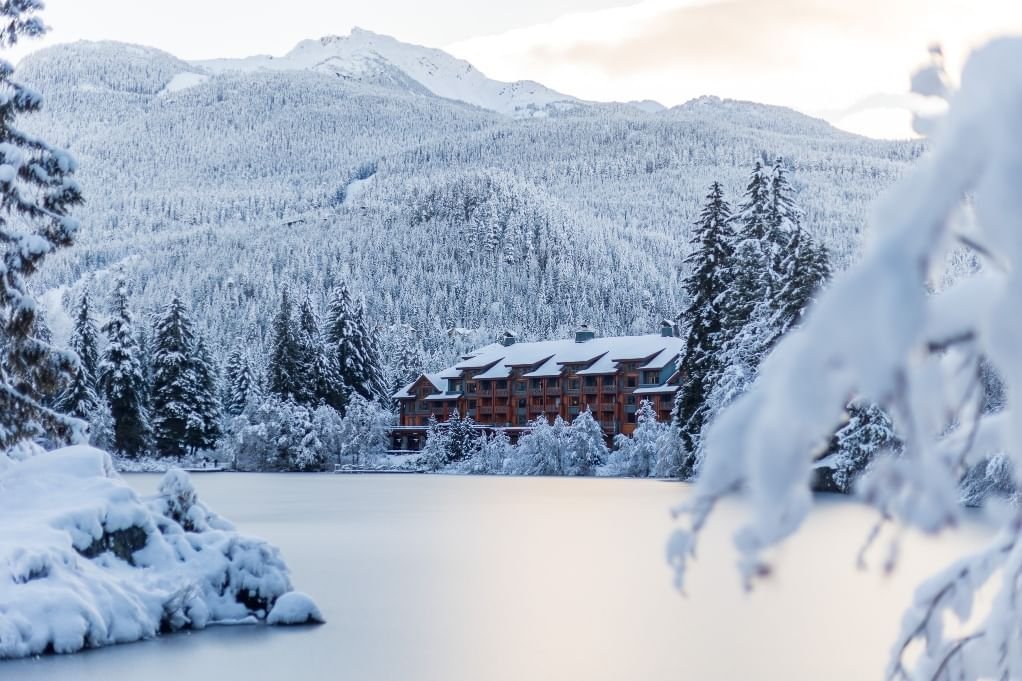
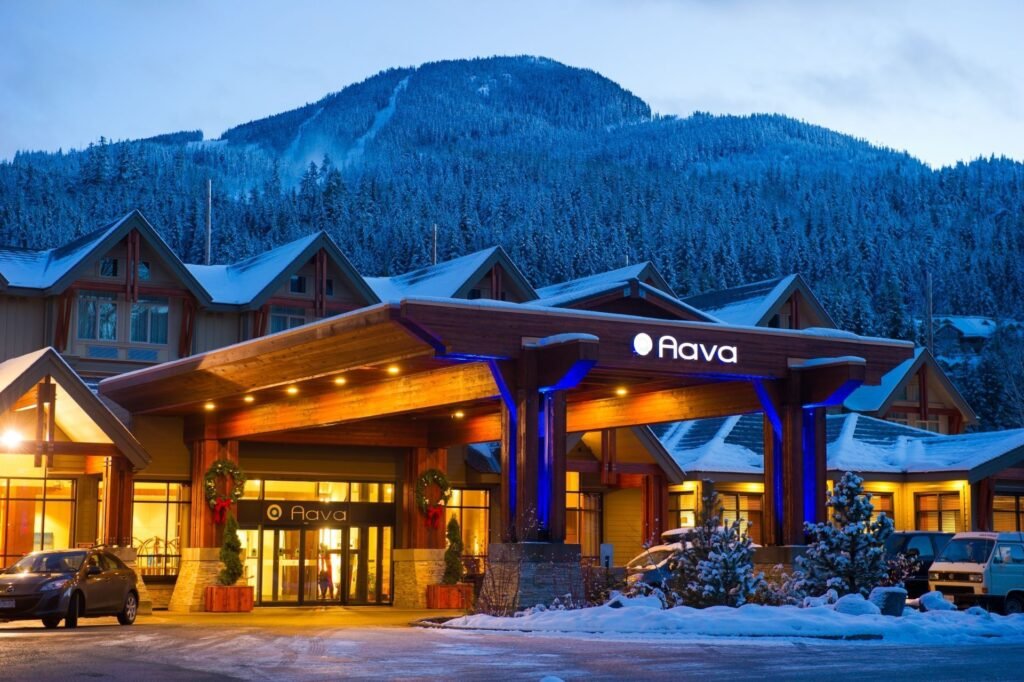
Where to Stay
Eat and Drink
Whistler has more than 200 restaurants, cafes and bars, so narrowing it down to just a few is no small task, but here are some of our favourites.
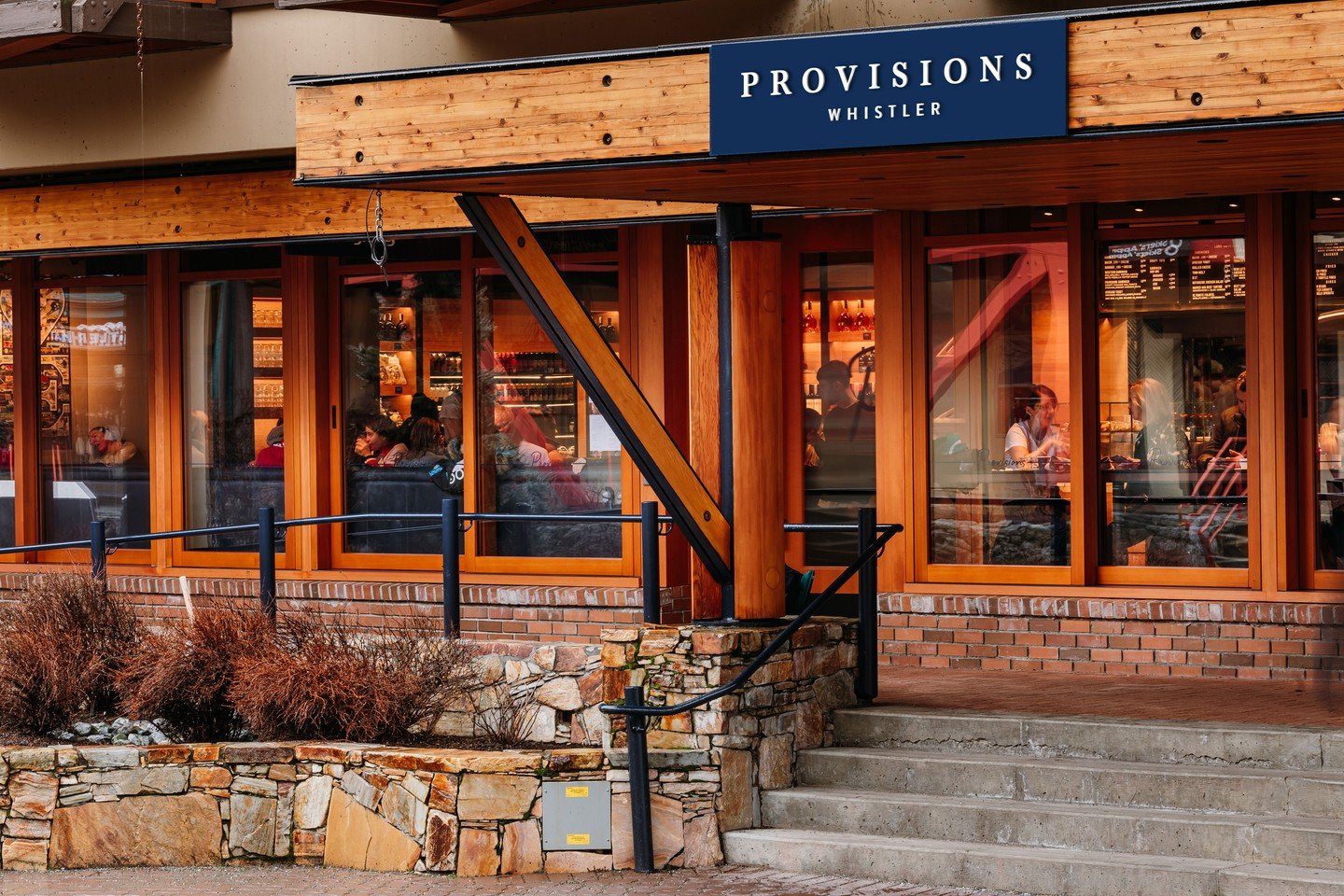
Start the day at Lift Coffee Company, right by the Whistler Village Gondola, or Provisions on the Village Stroll between Araxi and Bar Oso, both run by locals who know a pre-ski coffee needs to be quick and a post-ski one needs a seat by the window.
For dinner or a long lunch, BALAM does Latin American share plates in a jungle-themed dining room that’s become one of the village’s genuine local favourites, and Bar Oso next door covers Spanish tapas and pintxos at a horseshoe bar that fills fast with the après crowd migrating indoors.
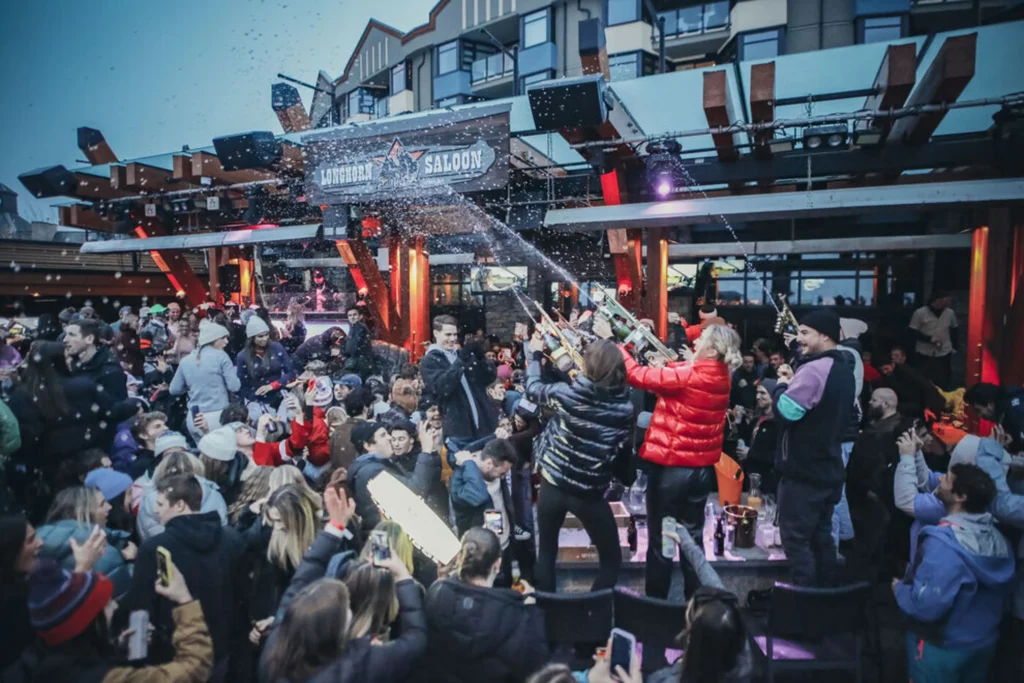
When it’s time to celebrate, Garibaldi Lift Co. and the Longhorn Saloon are the two names that come up first, both slopeside, both loud, both exactly where the Caesar culture and the champagne-on-the-patio scene actually live.

Insider Tips
Whistler is cashless resort-wide, so don’t bother bringing physical currency to the lifts, cards and mobile payment only. Book lodging and lift access early, opening weekends and holiday periods sell out fast given how far in advance passes go on sale. If you’re chasing intermediate terrain, don’t assume a Whistler blue is the same as a blue anywhere else, the mountain’s blues can ride steeper and bumpier than the rating suggests, so ease in rather than assuming you know your limits here. And when in doubt about which mountain to start on, Whistler for variety and views, Blackcomb for quieter lines and steeper fall lines.
Stay in the loop with curated stories on snow culture, mountain escapes, and the latest gear drops. Plus, score monthly giveaways made for the Snow Creatures crew.
Loved by over 5,000 skiers and riders.
Stay in the loop with curated stories on snow culture, mountain escapes, and the latest gear drops. Plus, score monthly giveaways made for the Snow Creatures crew. Loved by over 5,000 skiers and riders.