
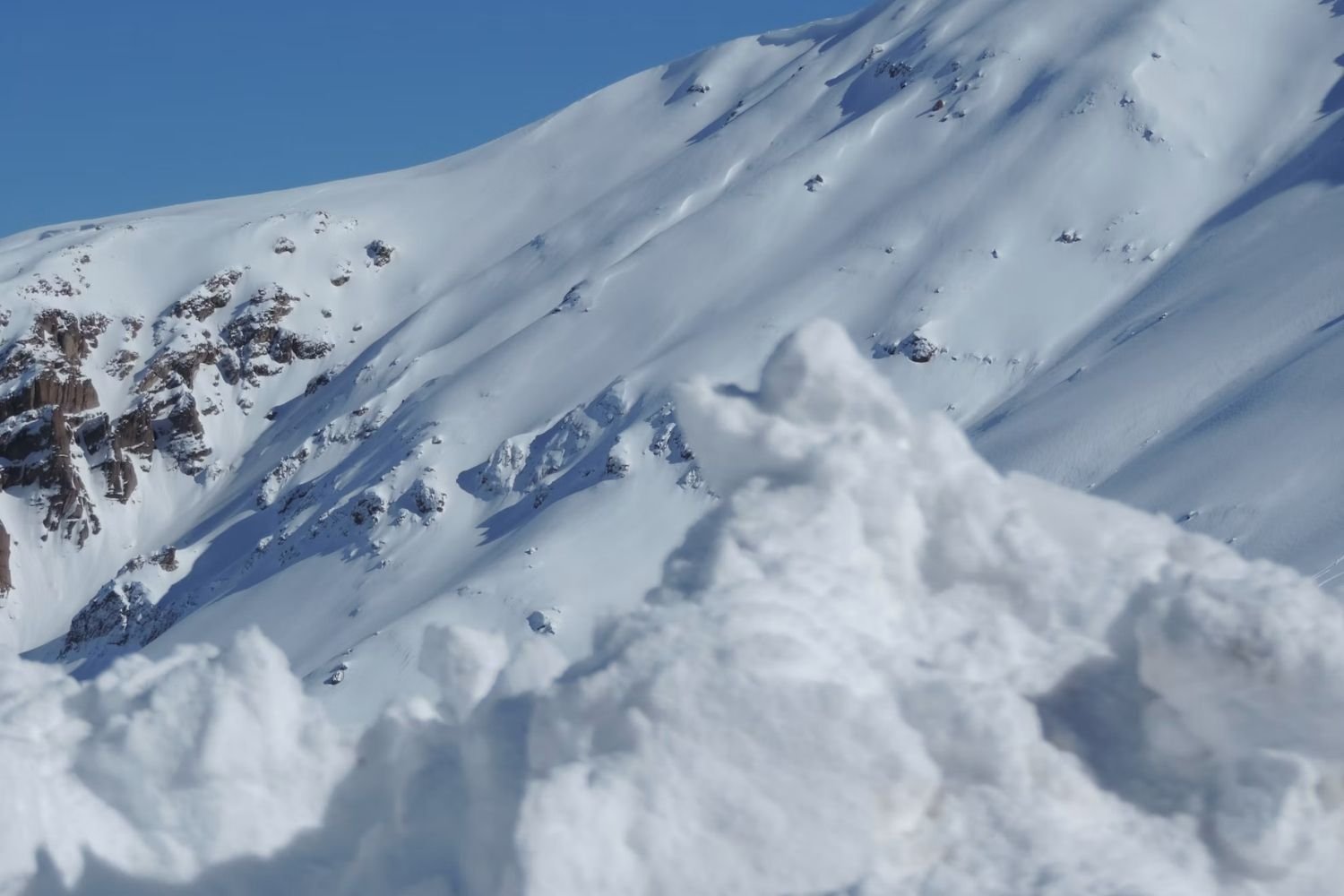
In mid-June 2026, the ski resorts of Australia and central Chile had the same problem. There wasn’t enough snow to open properly, the early storms had come and gone without leaving much behind, and in Chile early-season guests were being offered new dates or refunds.
Three months later, the two countries were barely recognisable as the same hemisphere. Portillo had surged past 10 metres of cumulative snowfall and pushed its season deep into October, while the Australian ski season had turned into one of the thinnest on record, with several resorts closing weeks early after a record-warm winter.
This is how one winter split in two: what happened on each side of the Pacific, why the Snowies got rain while the Andes got powder, and what it could mean if you’re deciding where to ski next year.
How the 2026 season started in Australia and Chile
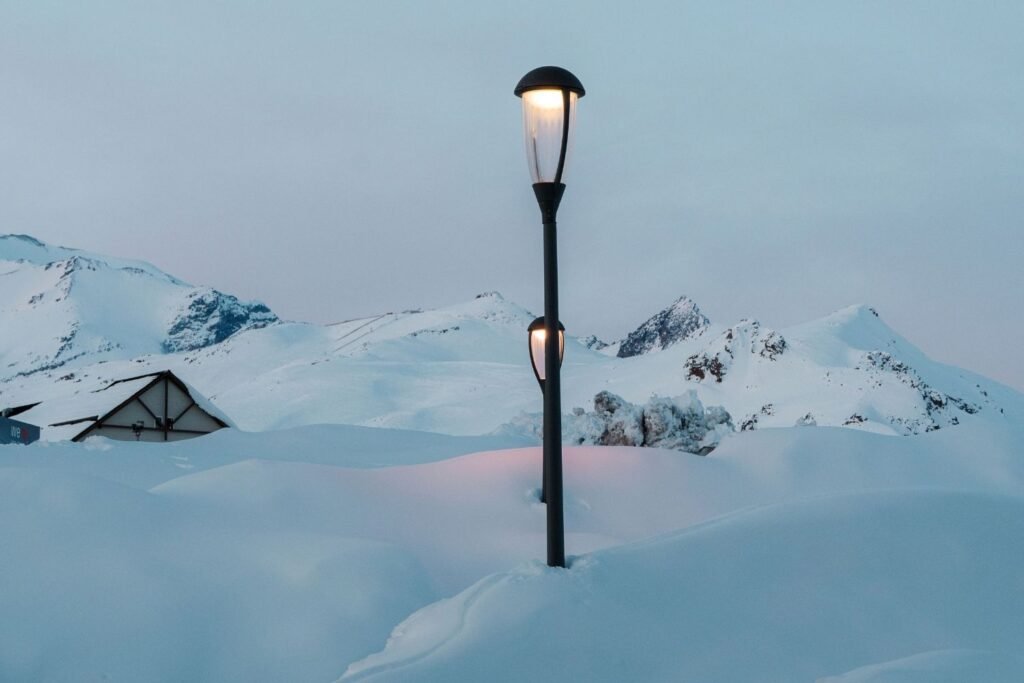
Chile blinked first. On 18 June, Portillo postponed its opening because a 40 cm storm and a few nights of snowmaking still hadn’t built enough base, and general manager Miguel Purcell said the resort didn’t yet have what it needed to open properly. Up the road near Santiago, Valle Nevado opened the next day with a single chairlift turning, and El Colorado managed a partial opening of its own.
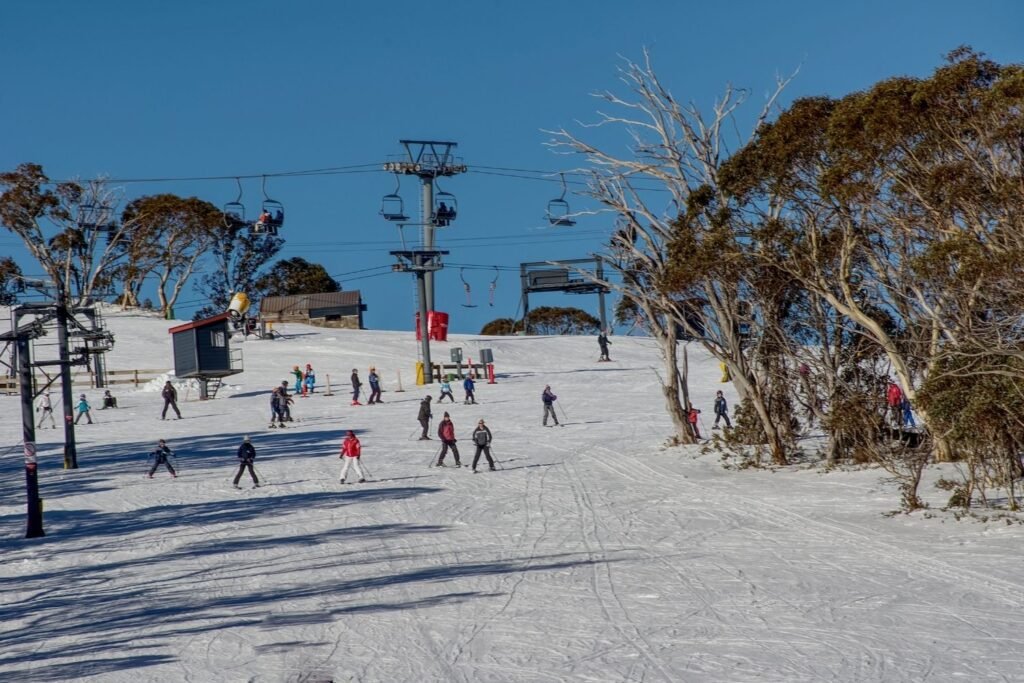
The Snowy Mountains were worse off. At the start of July, after a sluggish and mostly dry June across the mainland high country, natural snow depth at Snowy Hydro’s Spencers Creek site remained exceptionally low before back-to-back winter storms finally dropped a substantial base later in the month. The ABC called it the worst start to a season since 1957, and alpine areas had just had their warmest June in 59 years.
A blizzard finally arrived on the night of 2 July, in time for the school holidays. For a few weeks, both countries were in roughly the same position, running on a thin base and hoping the next system would be a big one.
How bad was the Australian ski season in 2026?
Australia went the other way. Spencers Creek peaked at 94.5 cm on 13 August, the third-lowest maximum since records began, and only 2006 and 1982 have topped out lower. The ABC’s analysis found it was the worst natural snow season since 2006 at higher elevations and the worst on record at lower ones.
The melt came early too. By 3 September, Spencers Creek was down to 31.2 cm, the lowest ever recorded for that date, when the 1950s to 70s average for early September sat above 180 cm.
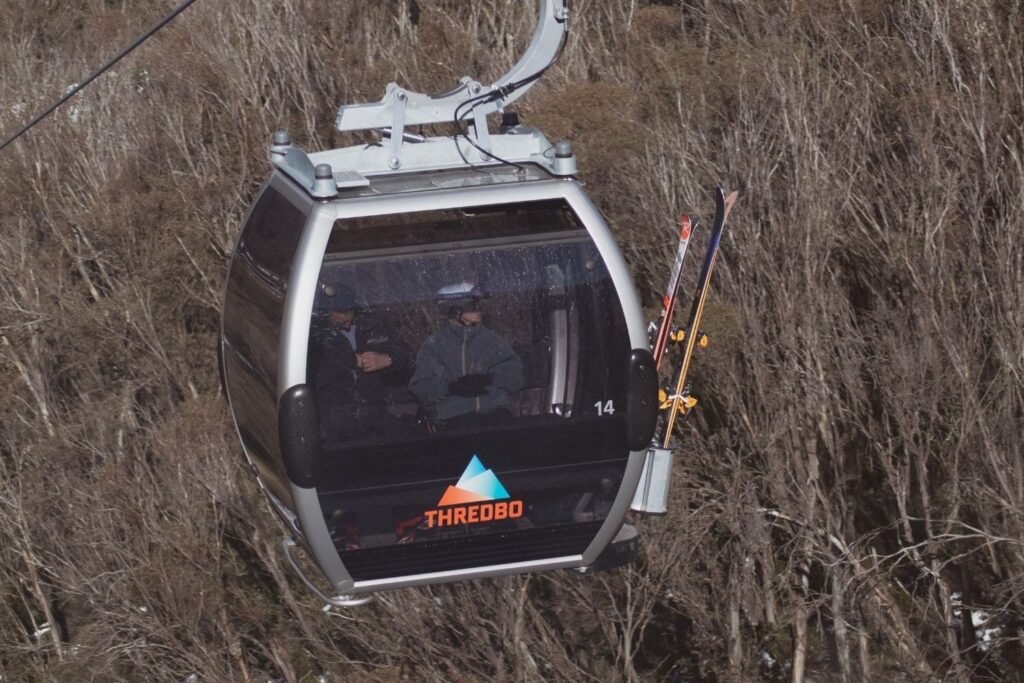
Selwyn and Baw Baw closed ahead of schedule in late August, and Charlotte Pass, Hotham and Falls Creek wrapped up in the first week of September. On 3 September, Perisher was running 11 of its 45 lifts and Thredbo was still open, both working with what the weather had left them.
Why was there no snow in Australia this year?
The odd part is that the Snowies weren’t short of weather. Between 1 June and 2 July, Perisher Valley recorded 301 mm of precipitation, which is plenty to build an early base. Only 25 mm of it fell while the temperature was below zero, so most of it came down as rain on the Main Range and ran off into the rivers.
It didn’t get much colder from there. Perisher’s winter averaged 4.0°C, well above the previous record of about 3.5°C set in 2023 and more than double the long-term average of 1.8°C. Mount Buller had its warmest winter on record as well, and on 29 August Perisher hit 14.4°C, its warmest winter day since records began.
The backdrop was an El Niño, which the Bureau of Meteorology confirmed was under way this winter. The Bureau notes that El Niño seasons tend to bring lower peak snow depths in the Australian Alps, and its winter outlook pointed to warmer, drier conditions across much of the south-east, although it’s careful to add that every El Niño plays out differently. In 2026 the moisture still turned up. It just arrived too warm to stick.
Why did the Andes get so much snow?
While El Niño historically correlates with warmer, drier winters and lower snow depth in Australia, its relationship with the central Andes is actually the opposite: developing or active El Niño phases frequently align with heavy, above-average snowfall and strong storm cycles in Chile.
Then there’s height, which the Andes have and the Snowies don’t. Chile’s big resorts are about three degrees of latitude closer to the equator than Perisher, which on its own should make them warmer. But Valle Nevado’s village sits at 3,025 metres, about a kilometre above the 2,054-metre summit of Mount Perisher, and the air cools by several degrees for every kilometre you climb. A storm that falls as rain at 1,800 metres in the Snowies has a far better chance of arriving as snow at 3,000 metres in the Andes.
Put those together and the split starts to make sense. Australia’s storms arrived warm and landed at modest altitude, Chile’s arrived in a season its forecasters expected to run cool and landed at serious altitude, and the same winter produced two very different seasons.
Is Australian snow getting worse?
One bad year doesn’t make a trend, but 2026 landed on top of one. The ABC compared peak snow depths at three long-running sites over two periods, 1955 to 2000 and the most recent 25 years, and every one of them has lost snow.
| Site | Elevation (m) | Avg peak 1955–2000 (cm) | Avg peak, last 25 years (cm) | Change |
| Three Mile Dam, NSW | 1,460 | 55 | 34 | −38% |
| Mount Buller, Vic | 1,985 | 117 | 93 | −21% |
| Spencers Creek, NSW | 1,830 | 205 | 178 | −13% |
The biggest loss is at the lowest site. Three Mile Dam, at 1,460 metres, has lost more than a third of its peak snow, which fits the idea that a warmer winter pushes the line between rain and snow further up the hill. Altitude isn’t the whole story, though, because Mount Buller sits higher than Spencers Creek and has still lost more.
The projections quoted by the ABC suggest peak snow depths could fall by more than 50% by 2050, even under a low-emissions scenario. That doesn’t mean the end of Australian skiing, and plenty of seasons in between will still be good ones. It does mean snowmaking, higher terrain and a bit of flexibility about when and where you ski are going to matter more each year.
Should you ski Chile in 2027?
It’s tempting to read one freak year as a travel tip, and it isn’t quite that. The Andes have their own lean years, and Portillo and Valle Nevado both started this June short of snow. What 2026 does show is that two ski regions in the same hemisphere can have opposite winters, so having a Plan B across the Pacific is less of a luxury than it sounds.
For anyone looking at Chile next year, a few things are worth knowing before you book.
- Timing. The central Chilean resorts usually run from late June to late September. October skiing, as in 2026, is a bonus rather than the norm.
- Access. Valle Nevado, La Parva and El Colorado sit above Santiago, so a city stay with day trips is realistic. Portillo is further north near the Argentine border and works better as a stay-on-mountain trip.
- Passes. Valle Nevado is on the Ikon Pass and the Mountain Collective, which can take the sting out of lift prices for anyone already holding one.
- Watch the forecast, not the hype. Chile’s weather service publishes seasonal outlooks in autumn, and whether El Niño holds into 2027 will say a lot about the odds.
And for the Snowies, the lesson is less dramatic than the headlines. A season like 2026 is when the high terrain, the snowmaking and the early-morning groomers earn their keep, and the next big dump is still one cold front away.