
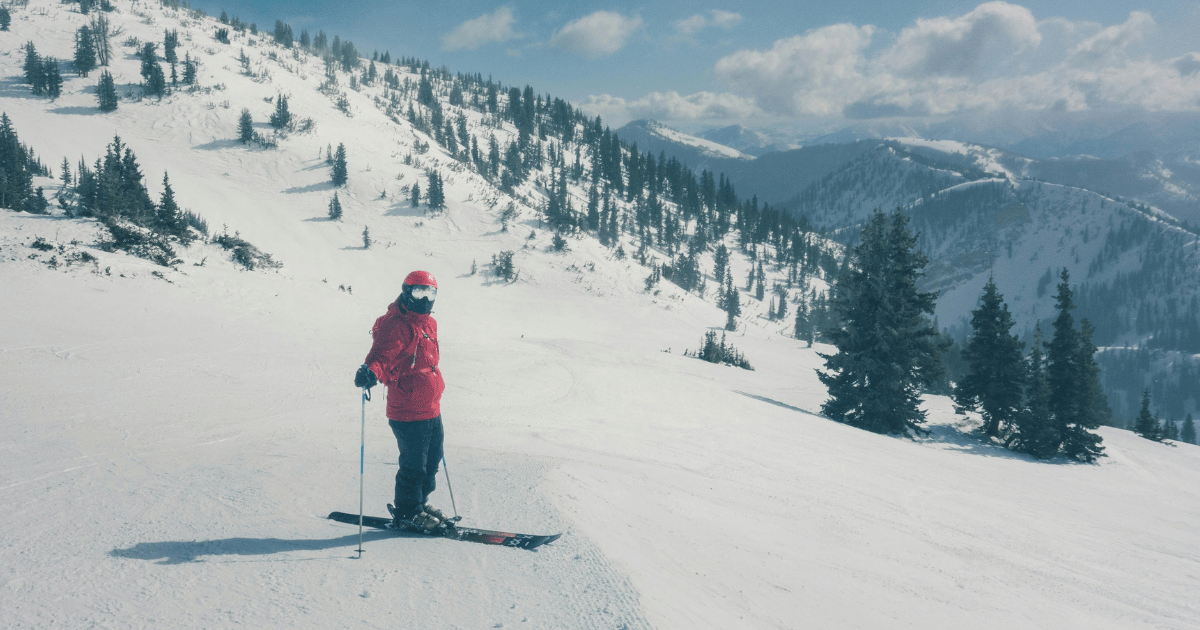
There are still three ski resorts in North America where you can’t bring a snowboard. Alta and Deer Valley in Utah and Mad River Glen in Vermont are the last ski areas on the continent that ban snowboarding outright, and none of them shows any sign of changing its mind.
The reasons are more interesting than an old skier versus snowboarder grudge. One ban survived a federal court case, one is part of a luxury brand, and one started with a chairlift built in 1948. Here’s the story behind each, and where riders go instead.
How most ski resorts went from banning snowboarders to welcoming them
When snowboarding turned up in the mid-1980s, banning it was the norm, and most resorts kept boards off their lifts. As the sport pulled in a younger crowd, the industry came around.
The holdouts fell one by one. Taos Ski Valley in New Mexico was one of the last big names, and it reversed its ban in March 2008. That left three, and the few that kept their bans have since turned being skiers only into a selling point.
Why can’t you snowboard at Alta?
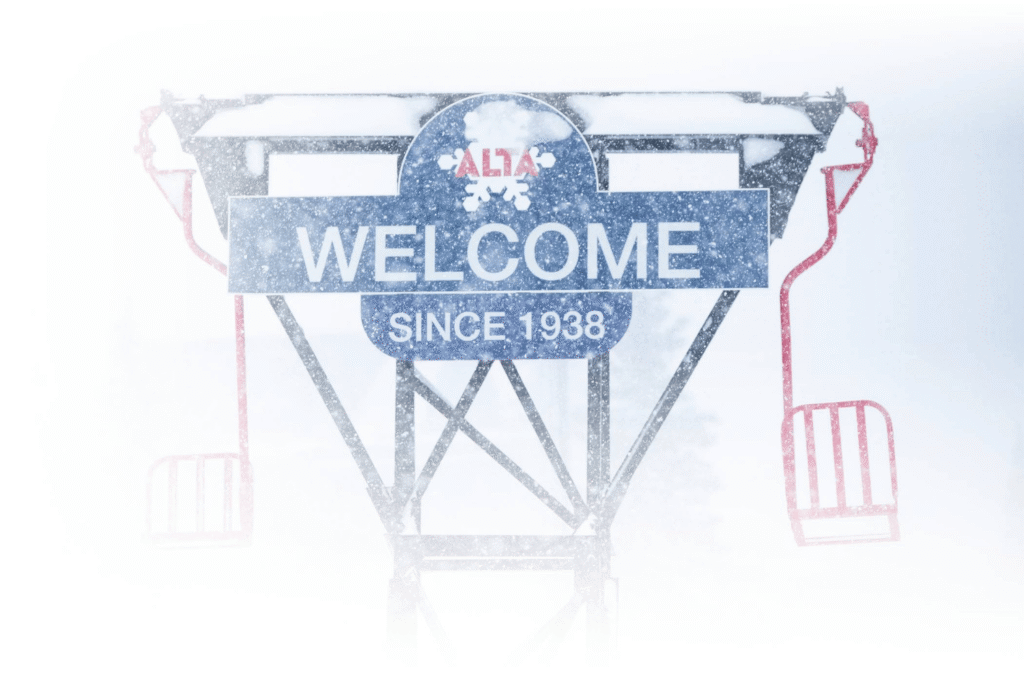
Alta has kept snowboards off its slopes for as long as the sport has existed, and it isn’t shy about it. Its slogan, Alta is for skiers, shows up all over the mountain, including at the gate to neighbouring Snowbird, where boarding is allowed.
The resort’s case rests on safety and terrain. In court, it argued that riders have a blind spot as they come down, and that some of its slopes are too steep for boards.
That court case is the reason Alta’s ban is the most famous of the three. In 2014 a group of local snowboarders called Wasatch Equality, which included pro rider Bjorn Leines, sued Alta and the US Forest Service. Their argument was that Alta sits on federal land under a Forest Service permit, so banning one group of people from it breached the Equal Protection Clause.
The district court threw the case out, and in April 2016 the 10th Circuit Court of Appeals agreed. It found the Forest Service knowing about the ban wasn’t enough to make it government action, which left Alta free to decide for itself. Alta’s lawyer had put the resort’s position simply, saying the ban was about the board, not the person. The court refused to rehear the case two months later.
Why Deer Valley is skiers only
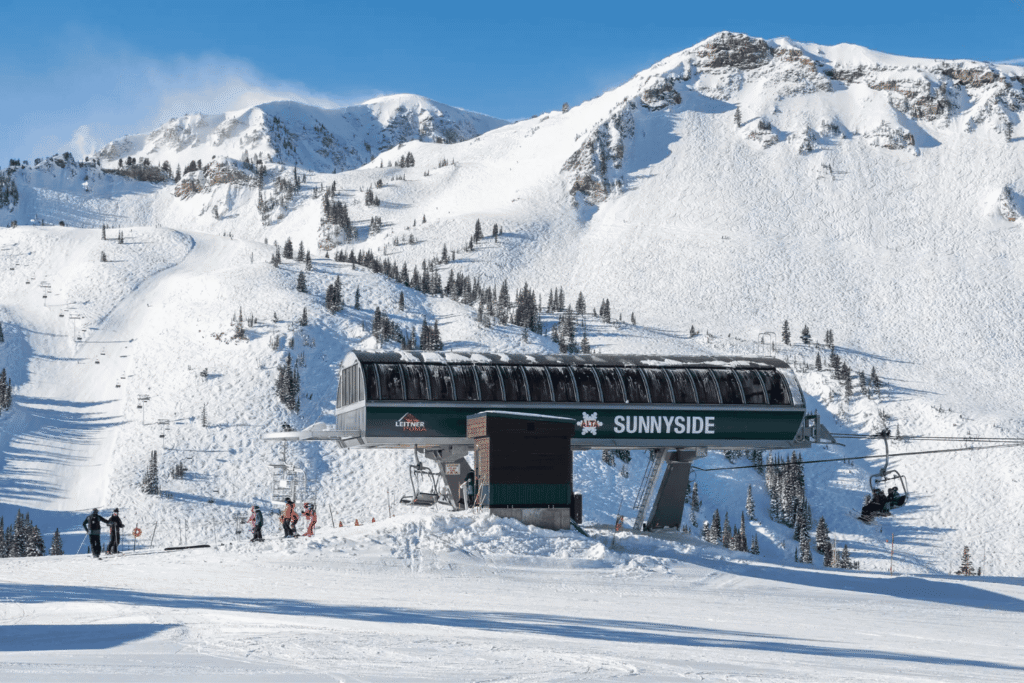
Deer Valley’s reasoning is more straightforward. The resort opened on 26 December 1981 and has never allowed snowboarding. Founder Edgar Stern built it around service, with the food and lodges to match, at a time when that was a new idea for a ski area.
The resort’s officials describe the policy as part of its brand identity and the experience its guests come for. Some skiers also prefer how moguls form on a skier-only hill, and Park City Mountain next door welcomes both, so riders have somewhere to go.
The ban hasn’t held the resort back. For the 2026-27 season Deer Valley is opening the Hail Peak Express, which takes it to 4,500 skiable acres (about 1,820 hectares) and 32 lifts. Opening day is planned for 5 December 2026. It’s still skiers only.
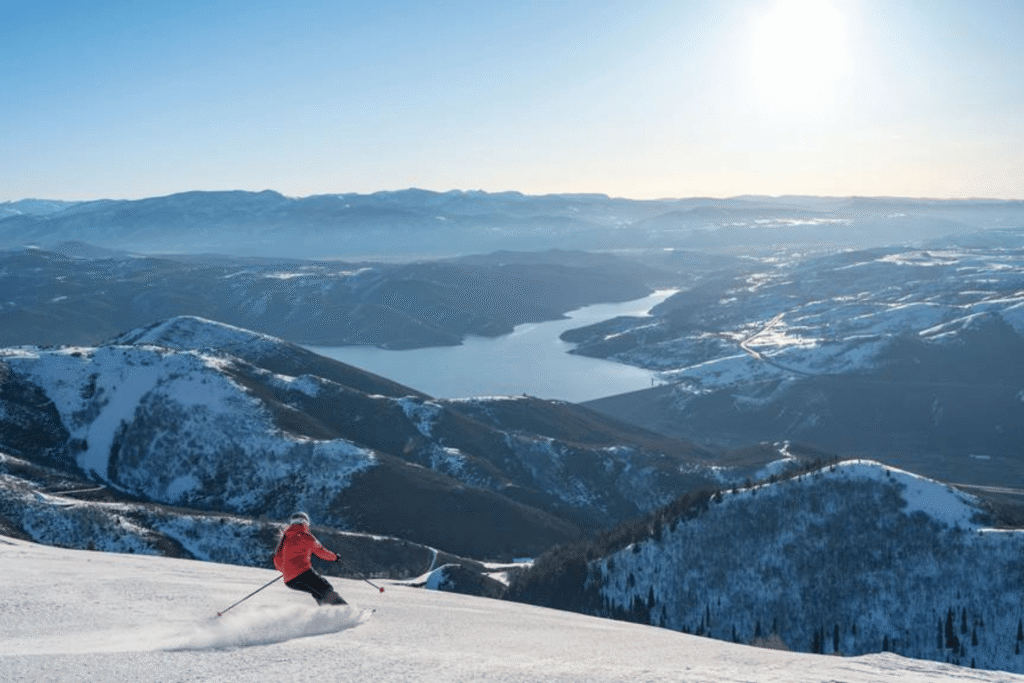
Why Mad River Glen banned snowboarding after allowing it
Mad River Glen is the odd one, because it was one of the first resorts in the US to allow snowboarding, from 1986. The trouble came from its main lift, the Single Chair, which dates back to 1948.
Most lifts have a raised platform to get off onto, but the top of the Single is flat. Snowboarders struggled to ride away from the chair, so they pushed off it instead, and that kept knocking the chair off its wheels. Boards were banned from the Single first, and since most of the mountain’s expert terrain is reached from that lift, it didn’t go down well with local riders.
After a public run-in between then-owner Betsy Pratt and some of those riders, the full ban started in the 1991-92 season. When skiers bought the mountain as a co-op in 1995, more than 75% of shareholders voted to keep it, and there hasn’t been another vote since. The Single Chair was rebuilt as a single rather than replaced, which tells you how this place feels about change.
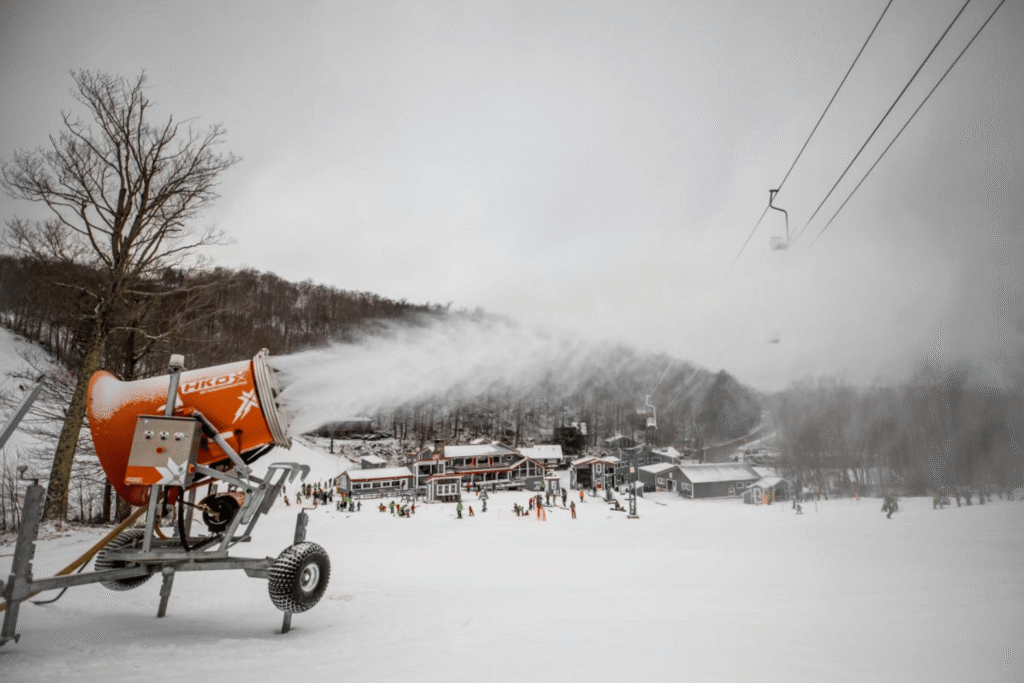
Where snowboarders ride instead
The neat part is that each ban has a snowboard-friendly neighbour close enough to make the policy easy to live with, which is probably part of why all three have lasted.
| Skier-only resort | Where riders go | How close |
| Alta, Utah | Snowbird | Next door in Little Cottonwood Canyon, joined by a boundary gate riders can’t cross |
| Deer Valley, Utah | Park City Mountain | Next door in Park City |
| Mad River Glen, Vermont | Sugarbush | Across the Mad River Valley |
If you’re on a mixed trip with skiers and riders, base yourself so you can split up for the day and meet for après, rather than building the trip around the ski-only hill.
Are the bans here to stay?
None of the three has signalled any change, and the reasons they gave decades ago still hold up for their own customers. Alta won in court, Deer Valley is busier and bigger than ever, and Mad River Glen’s owners are the skiers themselves, who last voted on the question in 1995 and haven’t felt the need to ask again.
Whether that reads as charming or stubborn probably depends on what you ride.
Get the inside read on mountain culture, every week. ⬇️